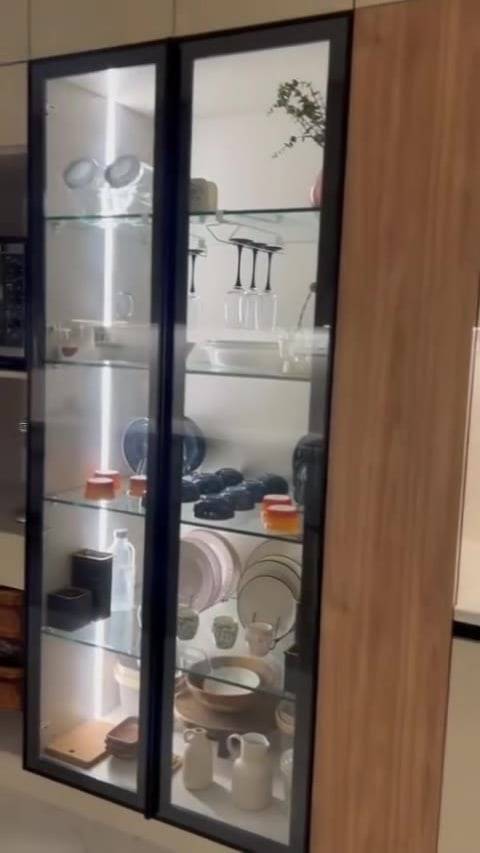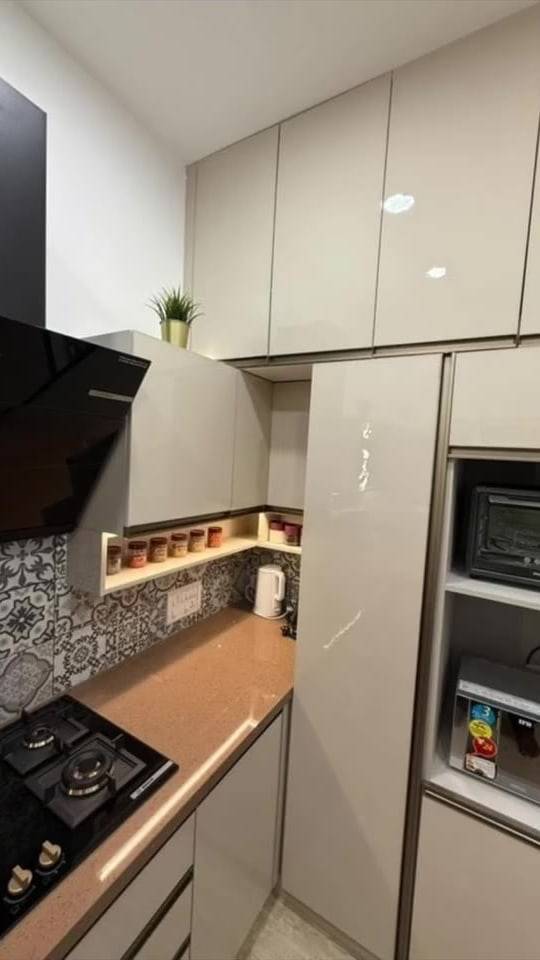
Campus furniture is a maintenance contract wearing a finish. Edges fail first, then hardware, then decorative film. Spend on calibrated carcasses, sealed edges, and hardware you can source again in five years.
Institutional Materials and Durability
Specify furniture that can be wiped, repaired, and replaced in modules rather than rebuilt every term.

Abuse
Design for knocks, water, and disinfectant
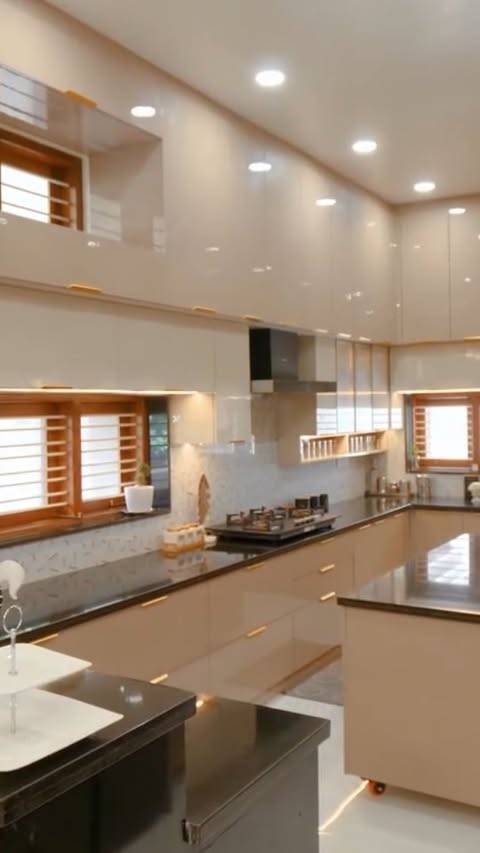
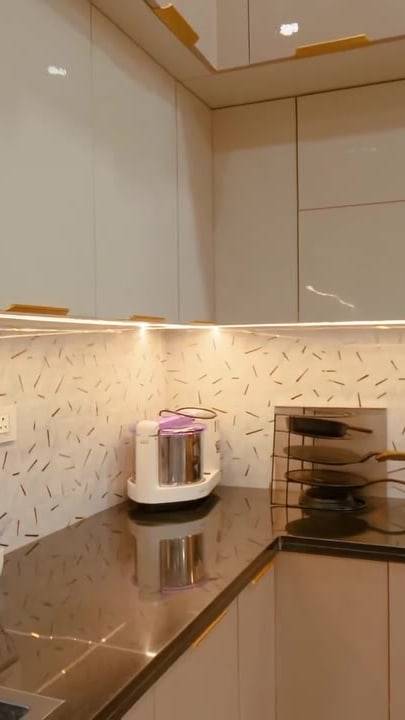
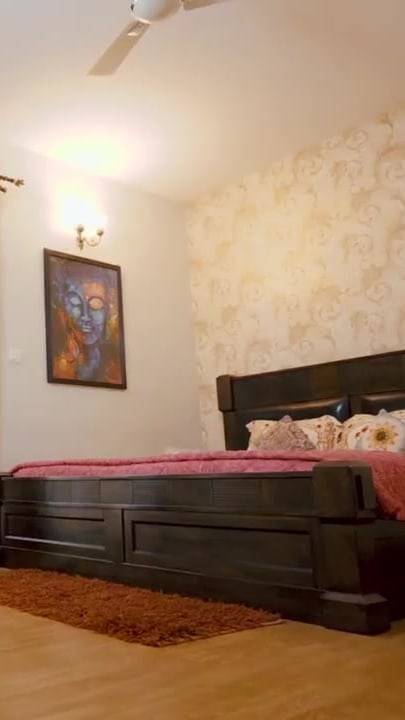
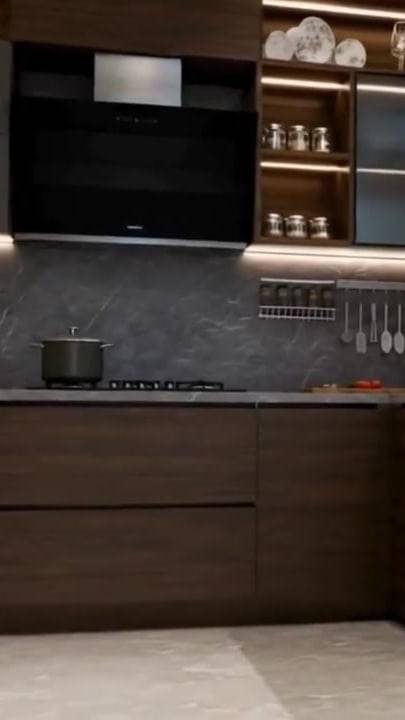
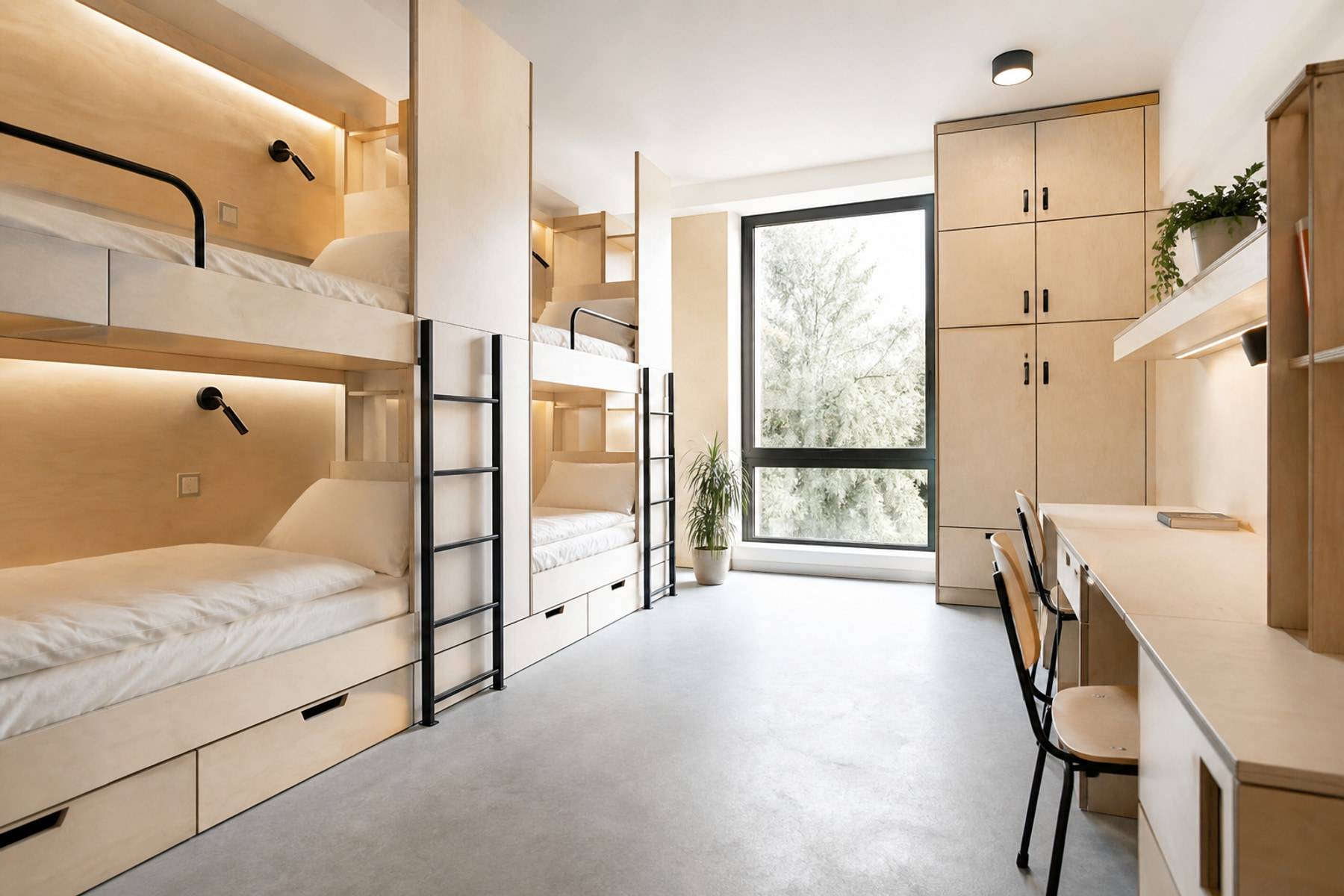
Hostel beds and classroom tables take bags, bottles, and cleaning chemicals. High-gloss kitchen acrylic is the wrong language. Choose laminates and edges rated for wet wipe-down.
Metal frames or well-sealed wood systems both work if joints are thought through. Avoid hollow decorative legs that rust from mop water.
- Thick, replaceable edge banding
- Moisture-resistant cores in wet and hostel rooms
- Hardware with spare stock on the facilities list
- Matt or mid-sheen faces that hide fingerprints
Replacement
Modules beat one-off sculptures
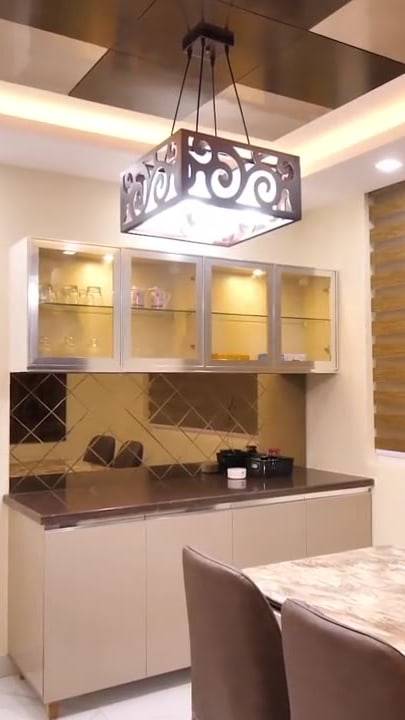
If a shutter chips in year three, facilities should swap a like unit from store. Unique curves look good at inauguration and expensive at repair.
Keep a finish board with codes in the estate office. Future batches from our factory can match if the palette was documented.
- Standard widths across a block
- Spare tops and shutters in the first order
- Document laminate and edge codes
- Avoid mixed fasteners that only one carpenter understands
Not always. A well-edged, well-cored wooden system can last and feel warmer. Steel wins where water and heavy stacking dominate.
Specify for cleaning, provide spares, and avoid delicate veneers on bed ends and study ledges.
Yes. A mock-up room is the right place to test wipe-down, noise, and student use before the bulk order.