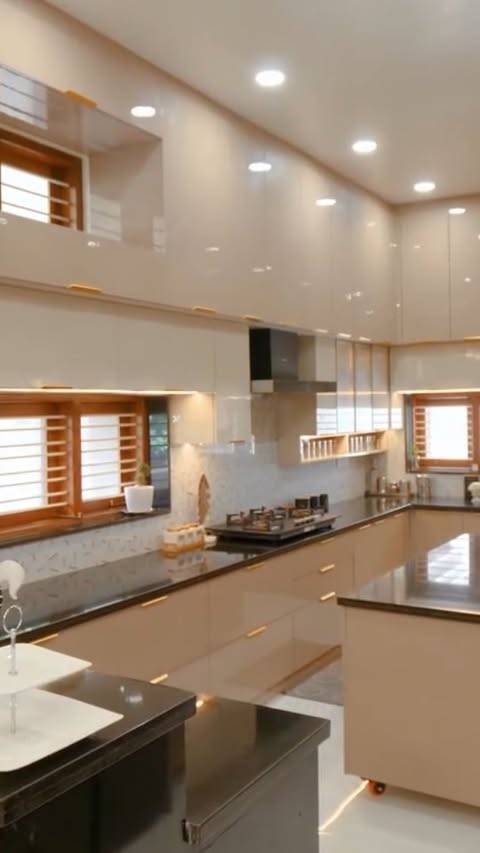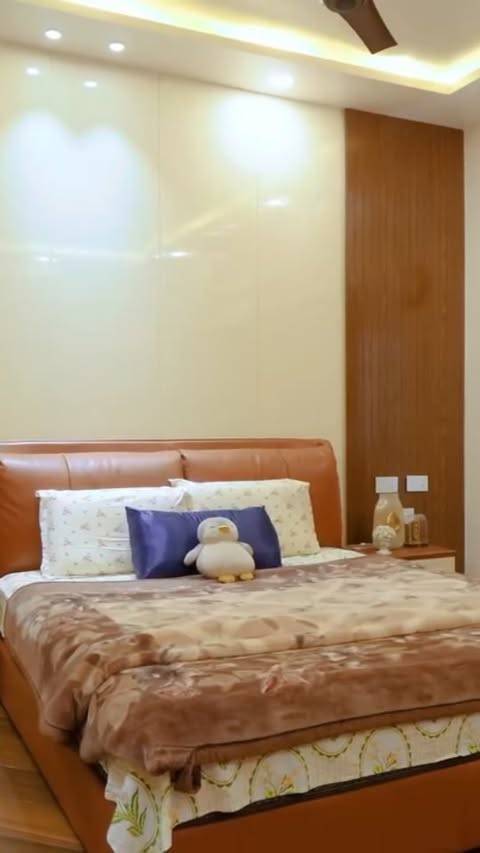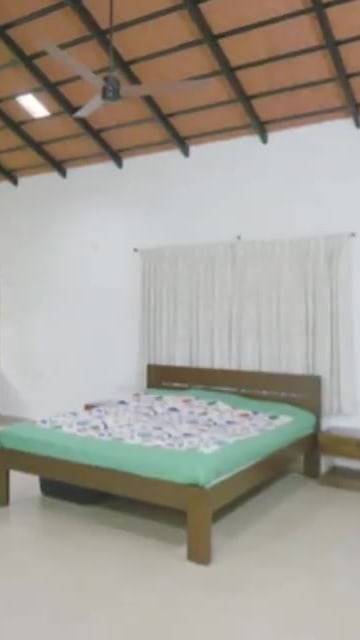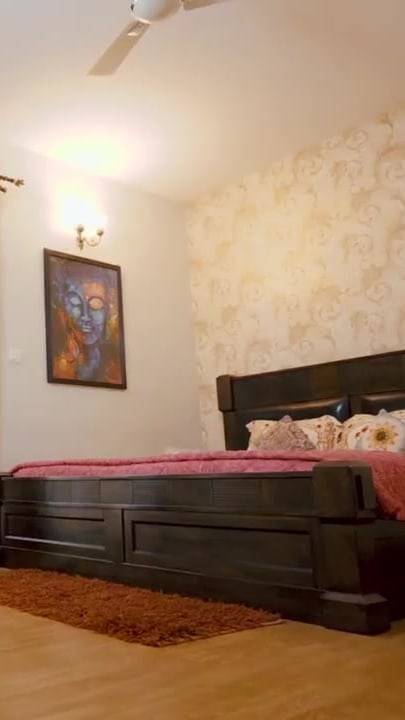
Hostel rooms are small cities. Bunks without study light, or wardrobes that block the ladder, create conflict. Standardise a room type, mock it up, then repeat. Facilities will thank you at every intake.
Hostel and PG Furniture
Count more than beds. Every resident needs storage, light, and a way out of the room in an emergency.
Room
Bed, bag, and study as one kit
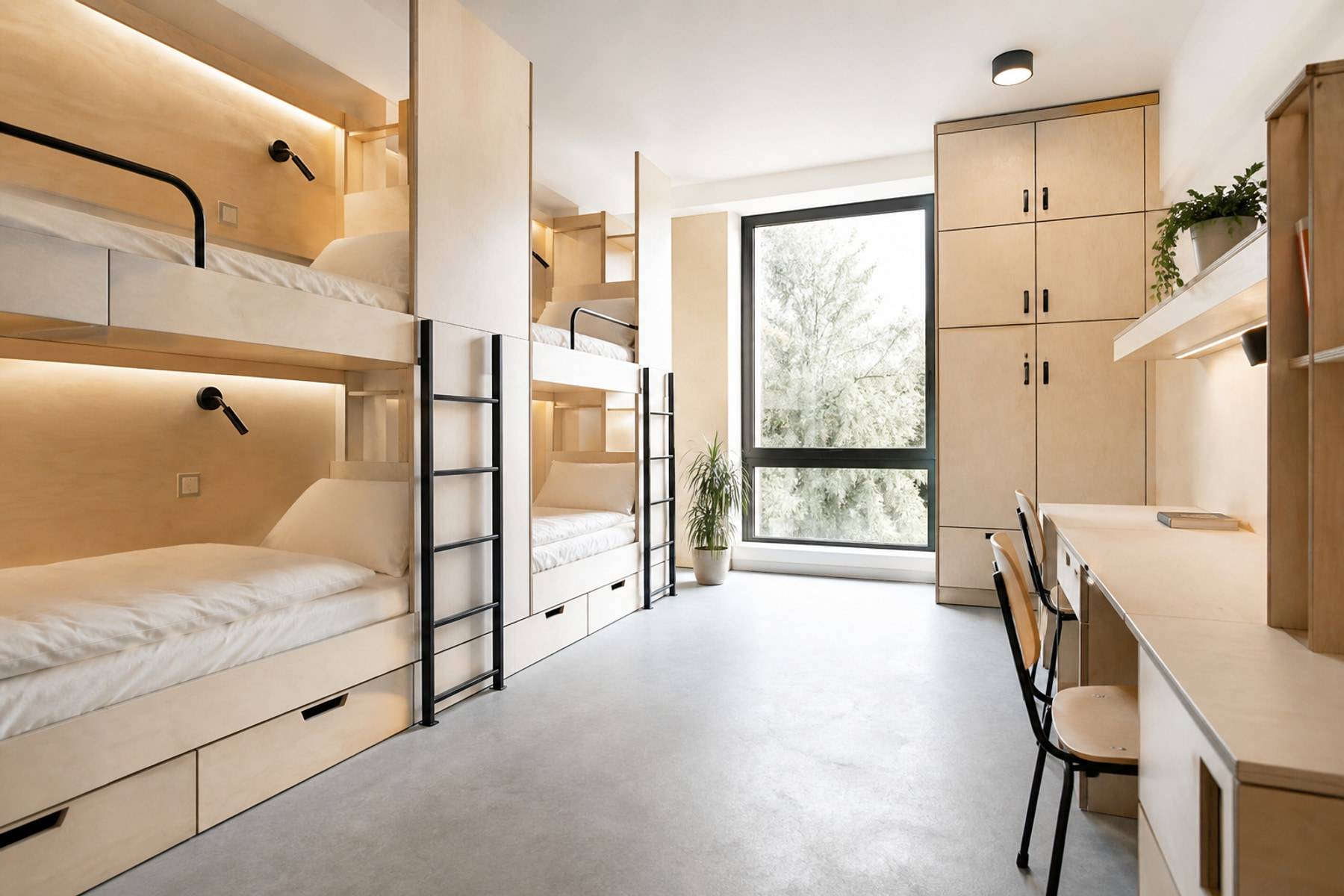
Choose single, bunk, or loft from ceiling height and fire rules, not from a brochure. Each bed needs a lockable volume and a place to sit with a book or laptop.
Power beside the pillow without a cable across the ladder. Windows should still open. Wet towels need a thought or they live on every chair.
- Clear ladder and door paths
- Per-bed storage, not per-room guesses
- Study light that does not wake the roommate
- Durable bed ends that take knocks
Common
Corridors and lounges take the overflow
If the room cannot hold luggage at term start, the corridor will. Plan a luggage store. Lounges need wipeable seats and enough tables that food does not migrate to bunks.
Laundry and drying cannot be an afterthought shaft. Damp clothes in rooms are a maintenance problem.
- Luggage and linen stores
- Lounge furniture that matches hostel durability
- Clear house rules reflected in the joinery (hooks, not nails in walls)
- Warden or tutor rooms on the same finish system for spares
Bunks raise capacity if height, ladders, and egress stay legal and comfortable. Singles win for longer-stay PG if area allows.
Enough for clothes, a helmet or bag, and a few books. Under-bed drawers help if the bed design allows cleaning underneath.
We recommend it. A furnished typical room answers more questions than a spreadsheet of bed counts.