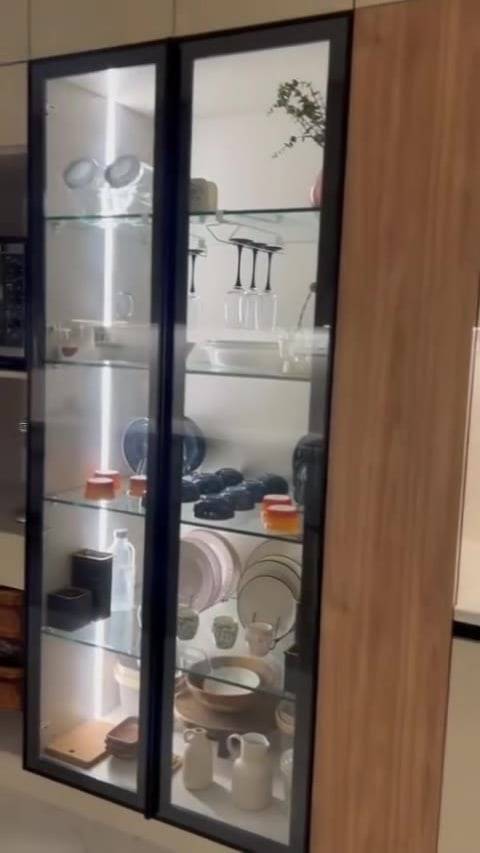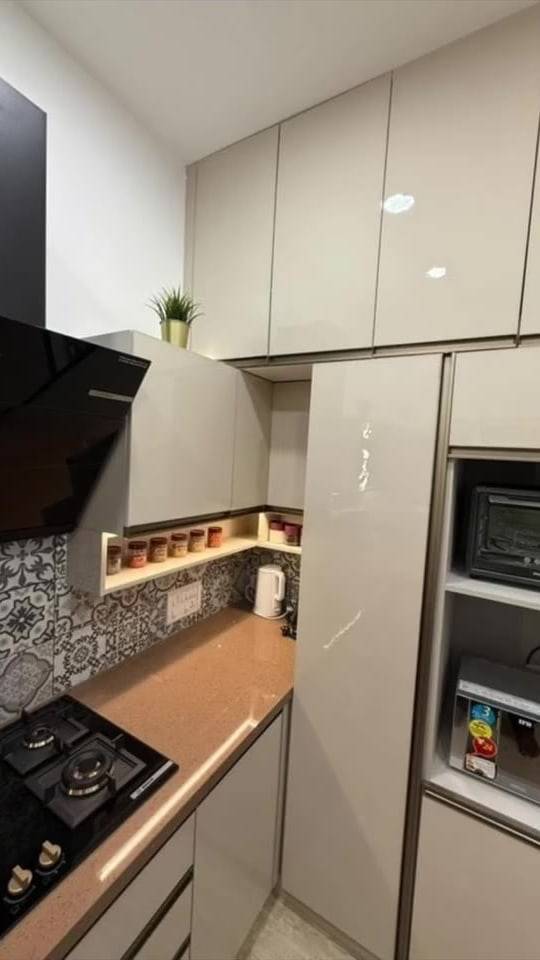
A pooja room should feel set apart without becoming a dust trap. Decide whether you need a closed room, a wall unit, or a compact corner, then plan storage for lamps, utensils, and offerings so the deity wall stays uncluttered.
Pooja Room Design
Plan a pooja space that is easy to keep, well lit, and sized to your rituals rather than a leftover niche.
Placement
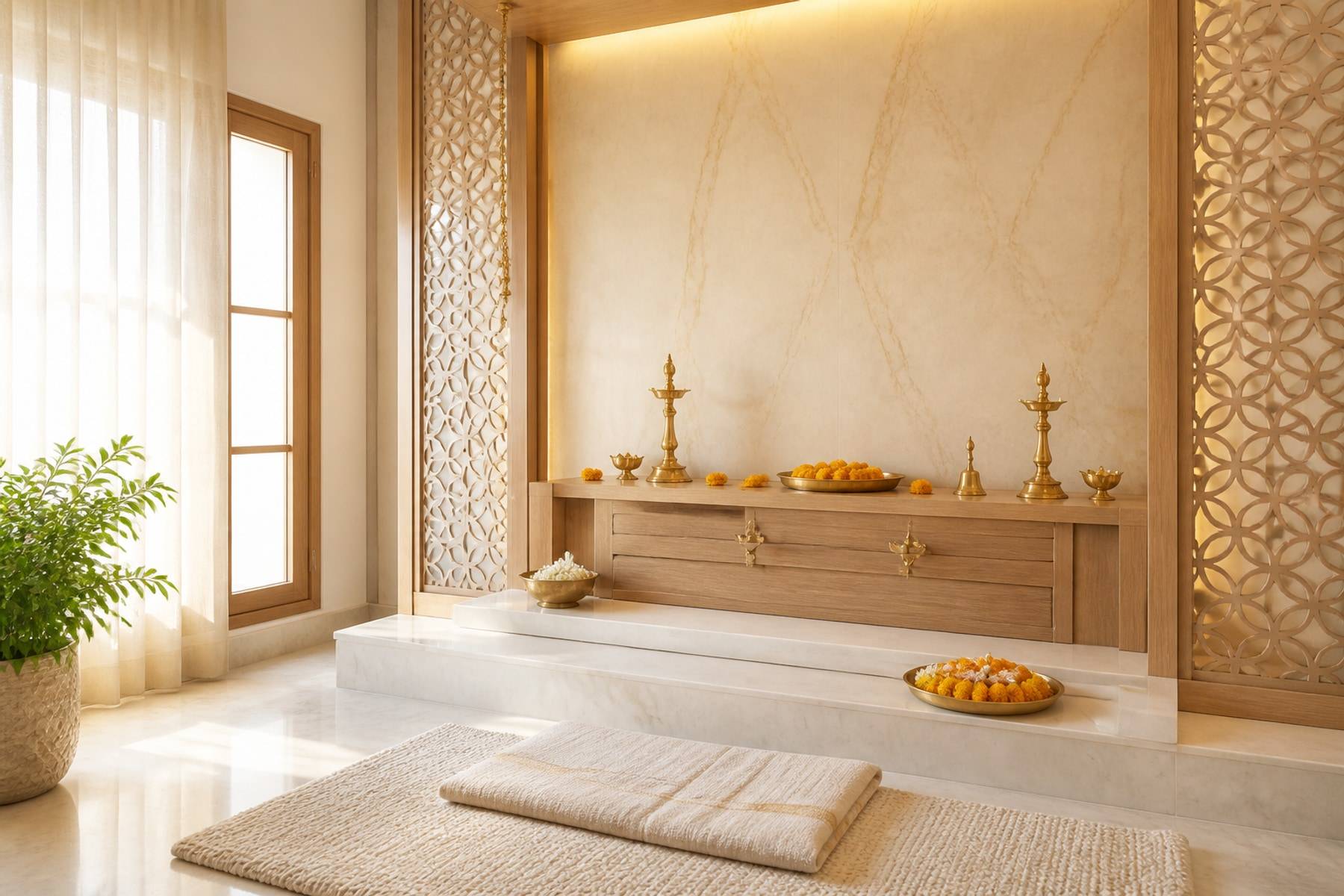
Give the shrine a quiet wall
Avoid placing the shrine on a busy circulation wall or directly facing a toilet door. A slight recess or a pair of shutters lets the space close when you want the living room to read as living only.
Height should suit standing or seated prayer as your family practices it. Over-tall units look grand in photos and awkward in daily aarti.
- Keep the shrine off the main walk path
- Plan shutters if the living room should stay secular during gatherings
- Provide a safe, heat-aware lamp surface
- Add a small exhaust or vent if incense is used often
Storage
Hide the practical items
Drawers for matches, oil, and cloths keep the open shelf for idols and lamps only. A pull-out tray for aarti plates is easier than stacking metal on a high ledge.
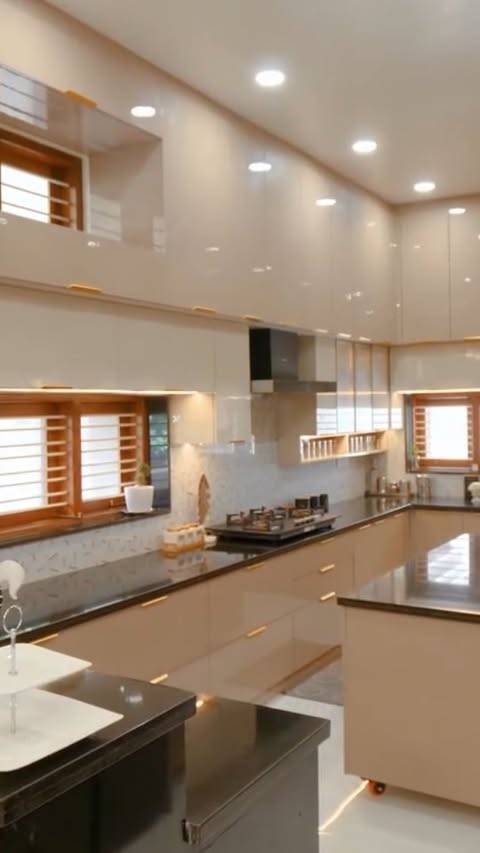
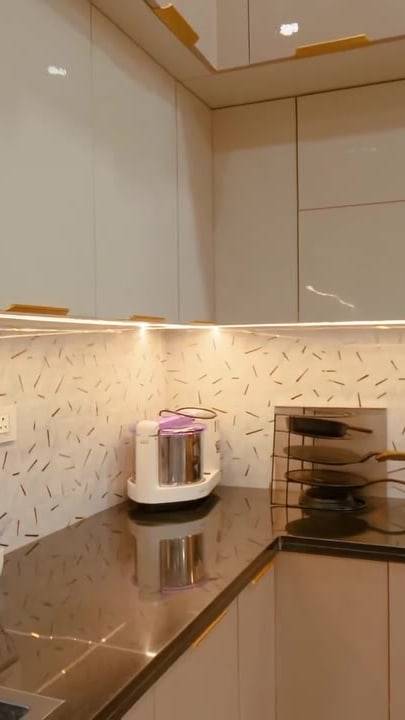
Choose finishes that wipe clean. High-gloss nearby kitchens can bounce too much light. A calmer laminate or Veneer Finish usually sits better beside brass and flowers.
- Closed storage for supplies
- A wipeable counter at a comfortable height
- Focused lighting that does not glare
- Cable hiding if you use electric lamps
Only if you have the area and want privacy. A well-designed wall unit can be just as calm in an apartment.
Yes if proportions, shutters, and storage are planned. Do not squeeze idols onto a TV unit leftover.
Share your preferences at the consultation. We plan layout and joinery around the constraints of your flat and the rituals you actually follow.