Bedrooms work when the bed is the quiet centre and storage does not crowd it. Measure mattress size, AC position, and window sills before you freeze the wardrobe wall. A restful room is mostly circulation and light control.
Bedroom Design Basics
Plan sleep, dressing, and storage as three zones so the bedroom stays quiet and easy to keep tidy.
Sleep zone
Place the bed, then everything else
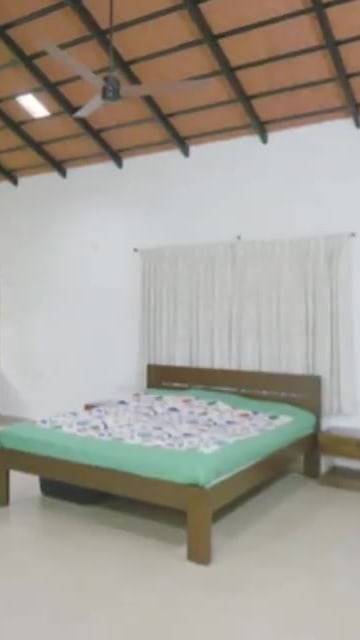
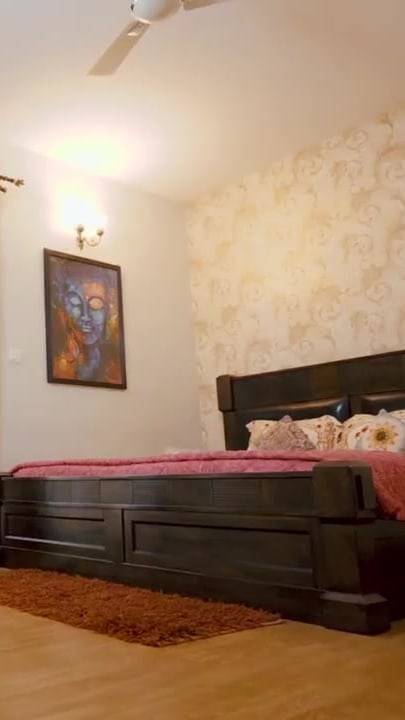
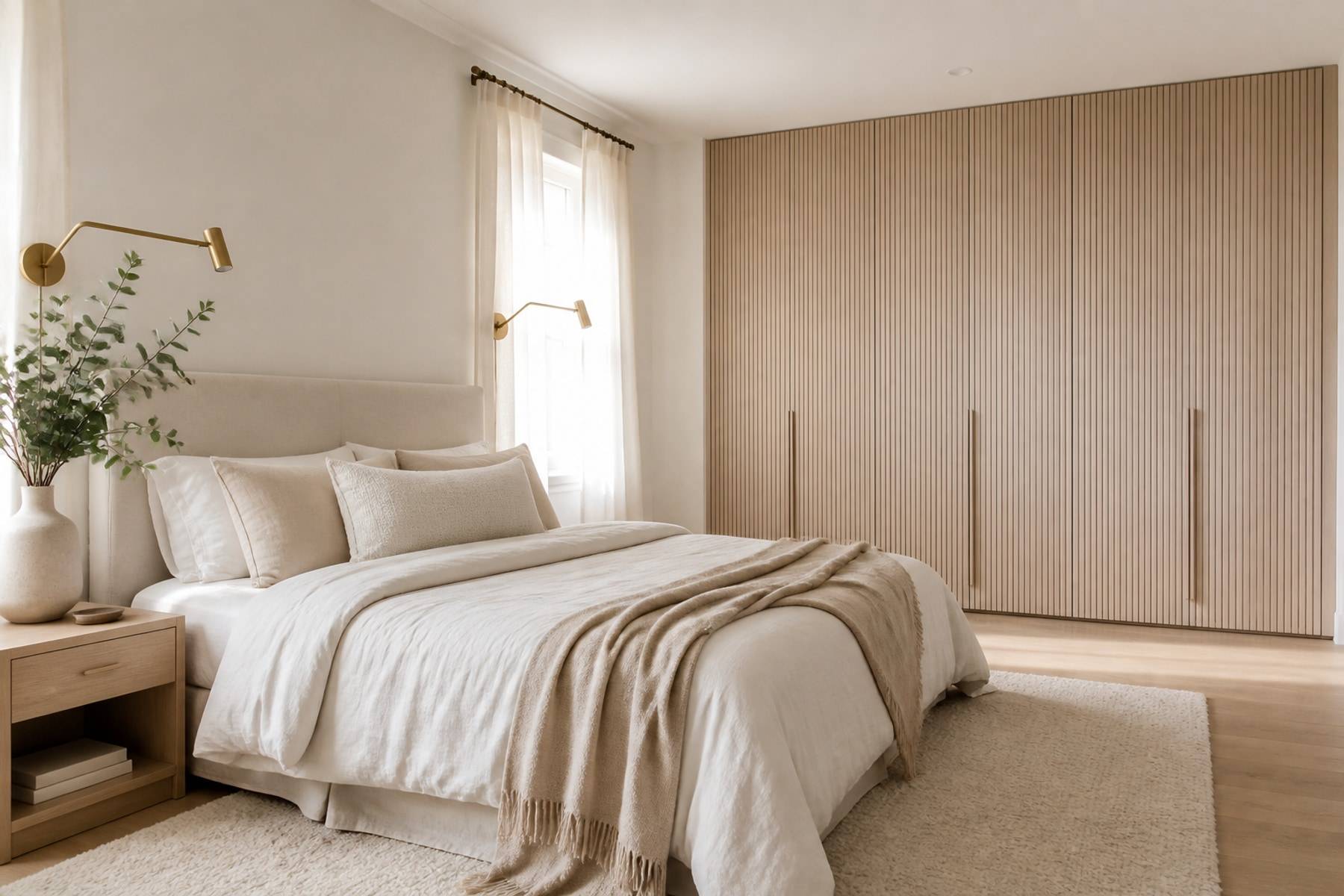
Keep at least one clear side for making the bed. In compact rooms, a wall-side bed can work if the wardrobe opens the other way and the dressing path stays free.
Avoid pointing the bed straight into a harsh window without sheers. Side tables need a lamp circuit. Charging points belong beside the pillow, not across the room.
- Confirm mattress size before joinery drawings
- Keep the dressing route between bed and wardrobe clear
- Plan blackout plus a soft night circuit
- Leave AC airflow off the sleeper’s head if you can
Dressing
Storage should not fight the bed
A full-wall wardrobe is efficient only if doors do not hit the mattress. Sliding, or a shorter run with a chest, often feels calmer than forcing hinged shutters in a tight gap.
A dressing ledge with a mirror works on a leftover pier. Keep jewellery and daily cosmetics in shallow drawers so the top stays empty.
- Check shutter swing against bed and side tables
- Put daily clothes at standing height
- Use warmer, dimmable light at the mirror
- Hide laundry rather than parking a hamper in view
Choose the size that still leaves a walk path. A queen with clear sides often feels larger than a king that blocks the wardrobe.
Yes for circulation and storage. Add durable finishes, study light, and toy storage that can change as they grow.
When the height allows and the lighting plan needs it. We keep bulkheads off the bed if the room is already low.